
Jet Logistics Careers 2026: Career Opportunities in South Africa’s Transport and Supply Chain Industry
Jet Logistics Careers 2026 in South Africa: Jobs, Requirements, Salary Guide and Career Information
Discover the Jet Logistics Careers 2026 guide with information about logistics jobs, qualifications, salary expectations, career opportunities, and application tips in South Africa.
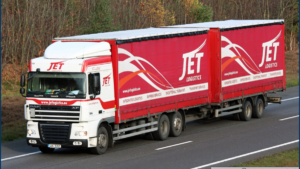
South Africa’s logistics industry continues to create employment opportunities as businesses rely on efficient transport, warehousing, distribution, and supply chain services. The Jet Logistics Careers 2026 guide is designed to help job seekers understand the types of career opportunities commonly available within logistics companies operating across the country. Logistics organisations support industries such as retail, manufacturing, healthcare, mining, agriculture, and eCommerce by ensuring goods move safely and efficiently between suppliers, warehouses, and customers. Whether you are looking for your first job or planning your next career move, understanding the qualifications, workplace skills, and recruitment process can help you prepare for future employment opportunities in this growing sector.
Why Consider a Career in Logistics?
The logistics sector is one of the key contributors to South Africa’s economy. Companies involved in transport and distribution require skilled employees to coordinate deliveries, manage warehouses, monitor inventory, and support customer service operations.
Working in logistics offers opportunities to develop practical skills in supply chain management, transport planning, warehouse operations, inventory control, and business administration. Many employers also support employee development through workplace training and professional learning initiatives.
Common Jet Logistics Jobs in 2026
Recruitment needs vary depending on business operations and customer demand.
Common positions may include:
- General Workers
- Warehouse Assistants
- Pickers and Packers
- Forklift Operators
- Dispatch Clerks
- Receiving Clerks
- Drivers
- Code 10 Drivers
- Code 14 Drivers
- Logistics Coordinators
- Fleet Controllers
- Transport Controllers
- Customer Service Consultants
- Operations Supervisors
- Supply Chain Administrators
- Human Resources Officers
- Finance Administrators
- Information Technology Specialists
- Graduate Trainees
- Internship Participants
Available positions depend on operational requirements and business growth.
Minimum Requirements
Requirements differ according to the advertised role.
Typical requirements may include:
- South African ID or legal authorisation to work in South Africa
- Grade 12 certificate for many entry level positions
- Relevant diploma or degree for specialised positions
- Valid driver’s licence for driving roles
- Basic computer literacy
- Good communication skills
- Ability to work effectively within a team
- Previous work experience where required
Applicants should always read the official vacancy advertisement carefully before preparing an application.
Skills That Employers Value
Strong workplace skills are important across the logistics industry.
Useful skills include:
- Communication
- Teamwork
- Time management
- Planning and organisation
- Customer service
- Problem solving
- Computer literacy
- Attention to detail
- Adaptability
- Reliability
Developing these skills can improve long term career opportunities across transport and supply chain operations.
Estimated Salary Range
Actual salaries vary according to qualifications, experience, location, and responsibilities.
| Position | Estimated Monthly Salary |
|---|---|
| General Worker | R8,000 to R13,000 |
| Warehouse Assistant | R9,000 to R16,000 |
| Picker and Packer | R8,500 to R14,500 |
| Driver | R11,000 to R22,000 |
| Dispatch Clerk | R11,000 to R20,000 |
| Logistics Coordinator | R22,000 to R45,000 |
| Fleet Controller | R20,000 to R38,000 |
| Operations Manager | R40,000 to R80,000 |
These salary figures are estimates and may vary depending on the employer, location, and responsibilities.
also see Bidvest International Logistics Vacancies 2026: Career Opportunities in South Africa
Imperial Logistics Jobs 2026: Career Opportunities in South Africa’s Supply Chain Industry
Graduate Programmes and Workplace Learning
Many logistics companies provide structured development programmes for graduates and individuals entering the industry.
These opportunities may include:
- Graduate Programmes
- Internship Programmes
- Learnerships
- Warehouse Operations Training
- Supply Chain Development Programmes
- Logistics Workplace Experience
Programme availability depends on business needs and recruitment plans.
Recruitment Process
Recruitment procedures commonly include:
- Online application or CV submission.
- Initial application screening.
- Shortlisting of suitable candidates.
- Interviews.
- Skills or technical assessments where required.
- Qualification and reference verification.
- Final selection.
- Employment offer.
The recruitment process may vary depending on the position being advertised.
SANRAL Vacancies 2026: Career Opportunities in South Africa’s Road Infrastructure Sector
Application Tips
Preparing a professional application can improve your chances when opportunities become available.
Helpful suggestions include:
- Keep your CV updated.
- Highlight relevant qualifications and experience.
- Ensure your contact details are correct.
- Tailor your CV to the advertised role.
- Include all requested supporting documents.
- Proofread your application before submission.
- Be honest about your skills and experience.
- Learn about the employer before attending an interview.
A clear and organised application helps recruiters assess your suitability efficiently.
Documents You May Need
Applicants commonly prepare:
- Updated CV
- South African ID
- Grade 12 certificate
- Relevant qualifications
- Driver’s licence where applicable
- Supporting certificates
- Reference details
Preparing these documents in advance can make future applications easier.
Career Growth Opportunities
Logistics offers many opportunities for long term professional development.
Possible career progression includes:
- General Worker to Warehouse Supervisor
- Warehouse Assistant to Inventory Controller
- Driver to Fleet Controller
- Logistics Coordinator to Operations Manager
- Graduate Trainee to Supply Chain Specialist
Continuous learning, practical experience, and professional development can help employees progress into more senior positions.
Final Thoughts
The Jet Logistics Careers 2026 guide provides useful information for South Africans interested in careers within transport, warehousing, distribution, customer service, and supply chain management. The logistics sector continues to support economic growth by connecting businesses and customers through efficient transport and distribution networks.
Preparing a professional CV, developing relevant workplace skills, and meeting the advertised requirements can strengthen your future applications. Since recruitment depends on operational needs, regularly checking official company career announcements can help you stay informed about opportunities that match your qualifications and long term career goals. Companies in the logistics sector also continue to invest in employee development, helping workers build rewarding careers over time.
continue with your application here